From Historic Charm to Modern Builds in Biltmore Forest
Nestled just south of Asheville, Biltmore Forest weaves together century-old character and thoughtful new construction in a way few neighborhoods in Western North Carolina can match. Towering trees, winding roads, and stately homes give the community a timeless feel, while newer builds bring fresh design, energy efficiency, and today's must‑have amenities. For buyers, the real magic lies in understanding how these different pockets of the neighborhood fit your lifestyle, budget, and long‑term plans. With a clear roadmap, you can move from casual browsing to confidently choosing the right street, home style, and price point.
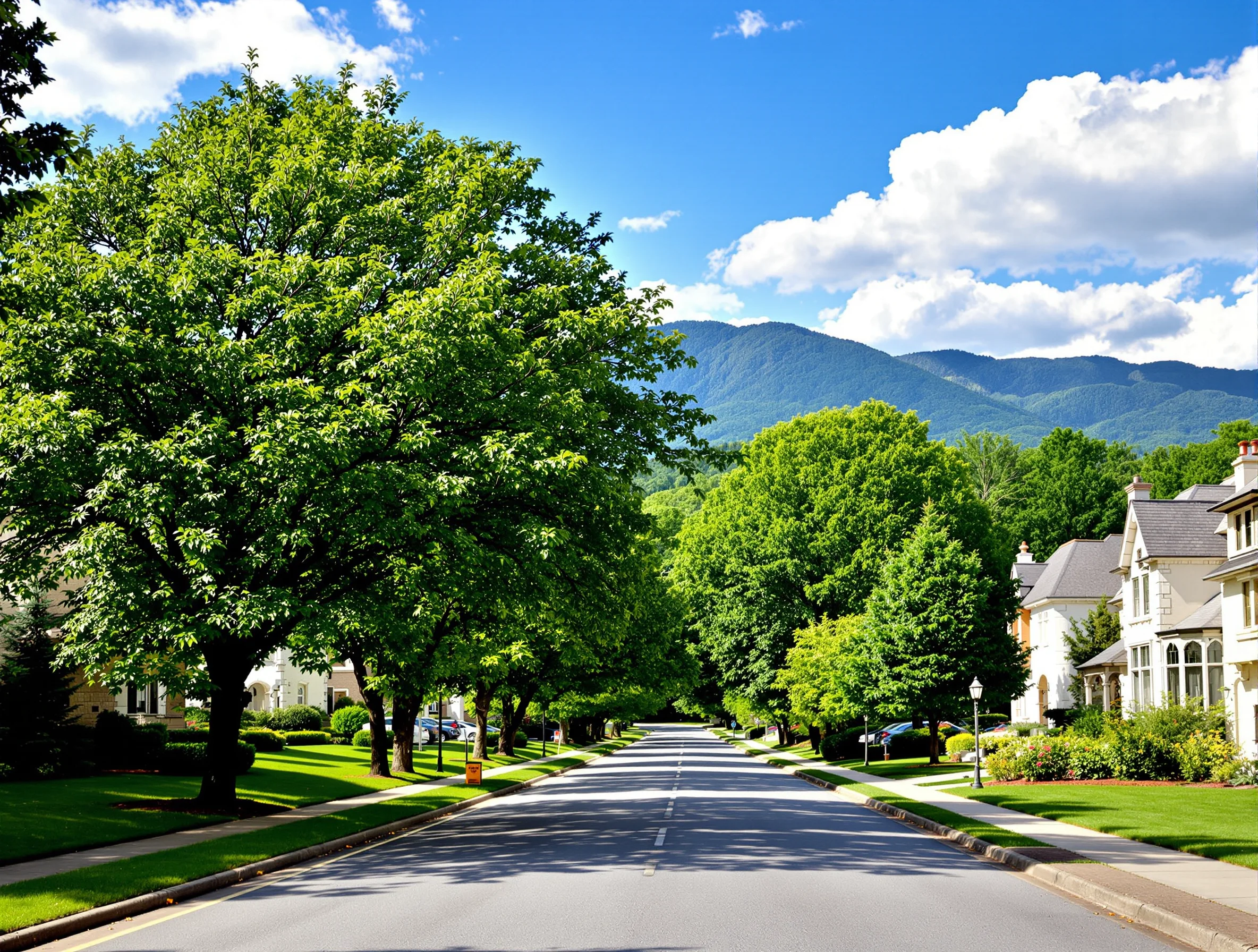
Created in the 1920s as a planned residential community on lands once part of the Biltmore Estate, this town has always been associated with elegance and privacy. Original homes from the first half of the 20th century display stonework, slate roofs, and classic architectural styles that feel rooted in the region's history. Over the decades, additional cul‑de‑sacs and side streets introduced a broader mix of homes, from mid‑century ranches to substantial custom residences built in the last twenty years. The result is not one monolithic neighborhood, but several distinct micro‑areas, each with its own rhythm, scale, and architectural flavor.
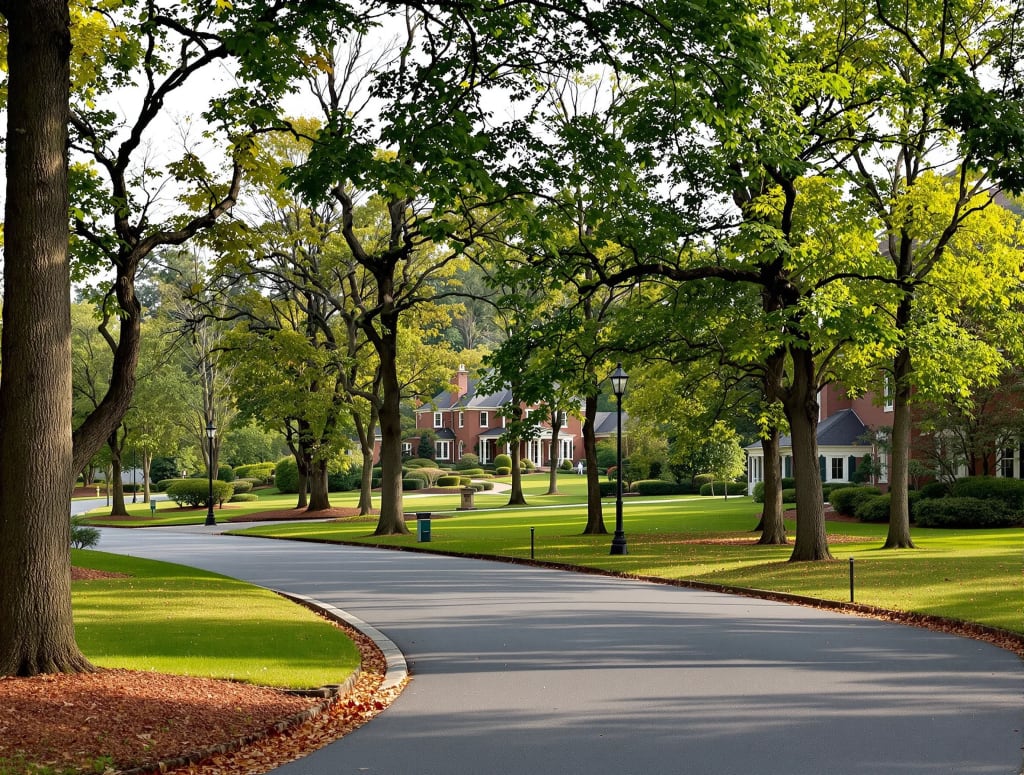
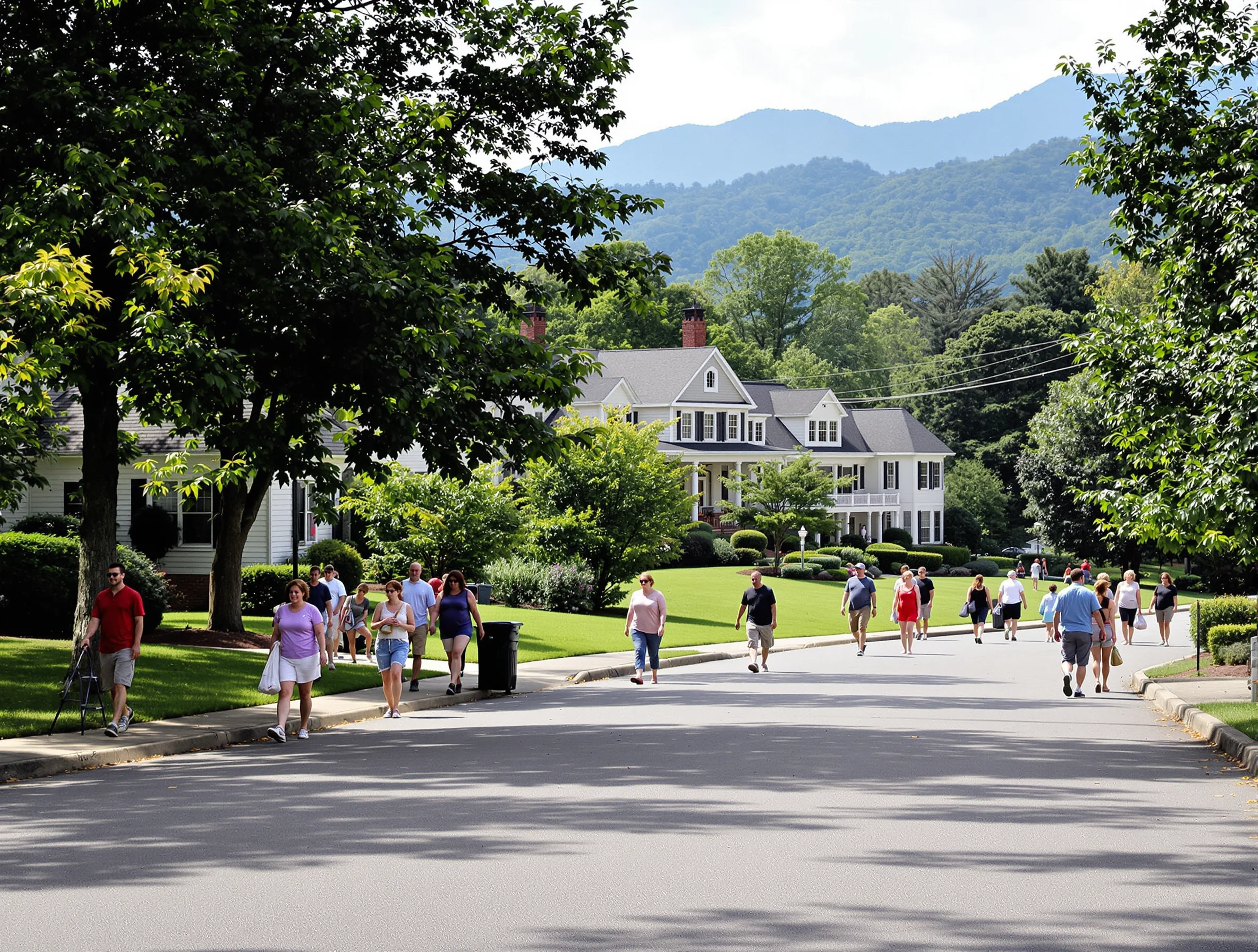
Buyers drawn to historic charm often start near some of the older, more established roads, where you'll find gracious estates on large, landscaped lots. Many of these homes feature original details—arched doorways, thick moldings, wood‑burning fireplaces, and hand‑crafted built‑ins—that are difficult and expensive to replicate today. Renovations are common, but the most cherished upgrades preserve character while improving function: modern kitchens opened to family rooms, updated primary suites, and energy‑efficient windows that respect the home's original proportions. These streets tend to be quiet, with slow local traffic and plenty of walkers enjoying the shade of mature tree canopies.
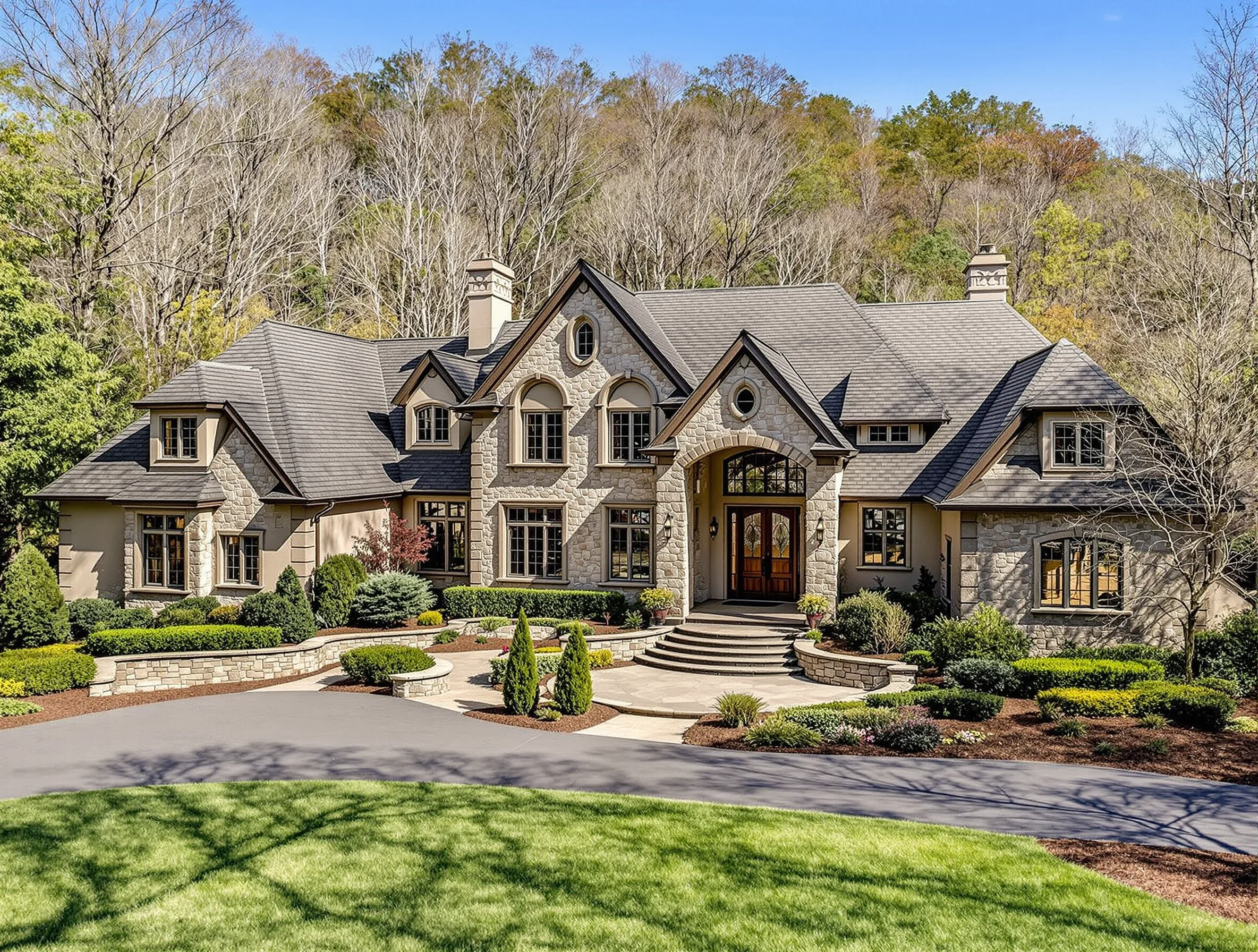
Others prefer the feel of newer construction, and Biltmore Forest offers that as well, often tucked into smaller, later‑developed sections of the town. Here, you're more likely to see open‑concept floor plans, three‑car garages, and contemporary interpretations of traditional styles. Think classic exteriors with clean interior lines, larger windows to capture natural light, and smart‑home features built into the design from day one. For buyers who don't want to manage a major renovation, these properties can deliver move‑in‑ready convenience while still benefiting from Biltmore Forest's established setting and close‑in location.
Regardless of age, homes throughout the community are united by a shared respect for the landscape. Lots tend to be generous, and the emphasis is on blending architecture with the rolling terrain and forested backdrop. This is not a neighborhood of small yards and tightly packed houses; instead, you'll see curved drives, deep setbacks from the road, and careful siting to preserve privacy. That sense of space pairs beautifully with the Blue Ridge Mountain environment, reminding you that you're living in one of North Carolina's most prized natural regions—yet just minutes from Asheville's cultural and culinary scene.
Lifestyle, Amenities, and Community Character
Living in Biltmore Forest is as much about the daily rhythm of life as it is about your front door and floor plan. The town is known for its quiet streets, low traffic, and emphasis on privacy, making it especially appealing to those who value a retreat‑like atmosphere. Early mornings often bring joggers and dog walkers winding through the neighborhood, while evenings can be surprisingly peaceful despite the close proximity to Asheville's more urban energy. Mature landscaping and carefully maintained common areas reinforce an overall feeling of calm and stewardship of the land.
Recreation is close at hand. Golfers and tennis players appreciate easy access to private club amenities in and around the community, while hikers, cyclists, and runners find countless trails and routes throughout the surrounding Blue Ridge Mountains. The nearby Blue Ridge Parkway, Pisgah National Forest, and a variety of local parks provide almost endless options for weekend adventures. Even a simple drive along the tree‑shaded roads of Biltmore Forest can feel restorative after a packed workday, with sweeping lawns, stone walls, and glimpses of the mountains beyond.
Families often focus on schools and community connections when evaluating neighborhoods, and the broader Asheville area offers a variety of public, private, and charter options. Many residents of Biltmore Forest take advantage of this educational diversity, choosing programs that align with their children's interests in the arts, sciences, or outdoor education. Social life tends to center on small gatherings, club events, and the shared experience of living in a town that values both privacy and neighborly respect. It's not a community of bustle and noise; instead, it attracts those who enjoy a refined, low‑key lifestyle with room to breathe.
Another key piece of the lifestyle puzzle is proximity. From Biltmore Forest, you can be in the heart of Asheville in just a short drive, which opens up a world of dining, music, galleries, and festivals. Residents frequently head into town for a farm‑to‑table dinner, craft beer tasting, or live music performance, then return to the quiet of their tree‑lined streets at the end of the night. Access to major roadways also makes it relatively easy to reach regional employers, regional healthcare centers, and the Asheville Regional Airport, an added convenience for those who travel frequently for business or pleasure.
Because of this balance—seclusion without isolation—the neighborhood appeals to a wide range of buyers. Some are relocating from larger metropolitan areas, seeking a slower pace near the mountains while maintaining cultural and professional ties. Others are local move‑up buyers who have long admired Biltmore Forest's reputation and are now ready to put down deeper roots. There are also retirees drawn by the combination of mild seasons, natural beauty, and a strong healthcare infrastructure in the Asheville region. Each group brings its own priorities, but they all tend to value quality of life and long‑term stability.
Understanding the Real Estate Landscape
From a market perspective, Biltmore Forest sits among Western North Carolina's most desirable and established communities. Inventory is often limited, and properties can vary widely in age, size, and condition, which makes pricing and strategy especially important. A meticulously maintained historic home on a prime lot may command a premium, while a newer build on a smaller parcel may appeal to buyers looking for lower maintenance and contemporary amenities. Reading between the lines of list prices, days on market, and recent comparable sales takes specialized local knowledge and a careful eye for nuance.
Because the neighborhood has such a long history, no two streets are exactly the same. Some pockets lean heavily toward older homes and traditional architecture; others are dominated by custom builds from the 1990s and 2000s; and certain enclaves include homes that have been substantially renovated or even rebuilt on existing lots. Understanding where you are in that cycle—original character, mid‑cycle update, or recent construction—helps clarify both value today and potential for appreciation. It also informs how much additional investment might be needed after closing, whether that means updating finishes, modernizing systems, or planning a future addition.
Buyers often wrestle with the renovation question: is it better to purchase a beautifully sited older home and revitalize it, or choose a more recent build that already checks most boxes? The answer depends on your tolerance for projects, your long‑term time horizon, and your vision for the property. Some clients of ENRG Global Real Estate / Industry Property Group find tremendous satisfaction in restoring a classic home, preserving original materials while adding thoughtful, modern conveniences. Others prefer the predictability of newer construction, where major systems and roofs typically have longer remaining life spans and floor plans suit contemporary living from the start.
A Buyer's Roadmap Through Biltmore Forest Neighborhoods
To make sense of all these moving pieces, it helps to think of your search process as a series of deliberate steps. The first is clarifying your non‑negotiables: preferred home size, target budget, ideal lot type, and how much time and money you are truly comfortable investing after purchase. Once those anchors are in place, your focus can shift from "everything that might work" to a much more targeted set of streets and property types that fit your profile. This is where local expertise becomes indispensable, because subtle differences between blocks can have a meaningful impact on value, feel, and future potential.
Working with a client‑first, service‑oriented advisor like Patrick Brooks at ENRG Global Real Estate / Industry Property Group means you are not navigating that roadmap alone. Patrick's specialized experience in Asheville and the surrounding Western North Carolina markets allows him to quickly identify which parts of Biltmore Forest offer the historic character, privacy level, or modern features you're seeking. He can help you interpret recent sales, understand why some homes move quickly while others linger, and spot opportunities where strategic updates could significantly elevate both livability and long‑term equity.
Modern marketing and strong negotiation skills become especially important in a low‑inventory, high‑demand neighborhood. An agent who leverages up‑to‑date market data, compelling property presentations, and proactive communication with other local professionals can sometimes surface opportunities before they hit the broader market. When you do find the right home, a thoughtful offer strategy—balancing price, terms, and timing—can make the difference between winning and losing in a competitive situation. At the same time, honest guidance keeps expectations grounded, so you're pursuing homes that truly fit your goals rather than stretching into uncomfortable territory.
For many buyers, the journey through Biltmore Forest is also a journey through their own priorities. Some arrive convinced they want a brand‑new build, only to fall in love with the charm and craftsmanship of a 1930s stone cottage on a particularly beautiful lot. Others plan for a major renovation, then realize that a well‑designed contemporary residence on a slightly smaller parcel delivers the lifestyle they really want: lock‑and‑leave ease, low maintenance, and more time exploring the mountains or enjoying Asheville's vibrant arts and dining scene. A good roadmap leaves room for those discoveries while still keeping you on track.
Ultimately, the question is not whether Biltmore Forest is a special place—it clearly is—but how to find the part of it that feels like home for you. The blend of historic charm and modern builds offers a rare level of choice within a single, cohesive community. With patient exploration, clear priorities, and the right local guidance, you can move from curiosity to confidence, selecting a property that aligns with your lifestyle today and your aspirations for tomorrow. When that alignment clicks, the winding streets, tall trees, and quiet evenings of Biltmore Forest become more than a postcard‑perfect setting—they become the backdrop to your next chapter in Western North Carolina.