Why Woodfin Is Quietly Transforming: 5 Data‑Backed Trends Shaping This Riverside Market
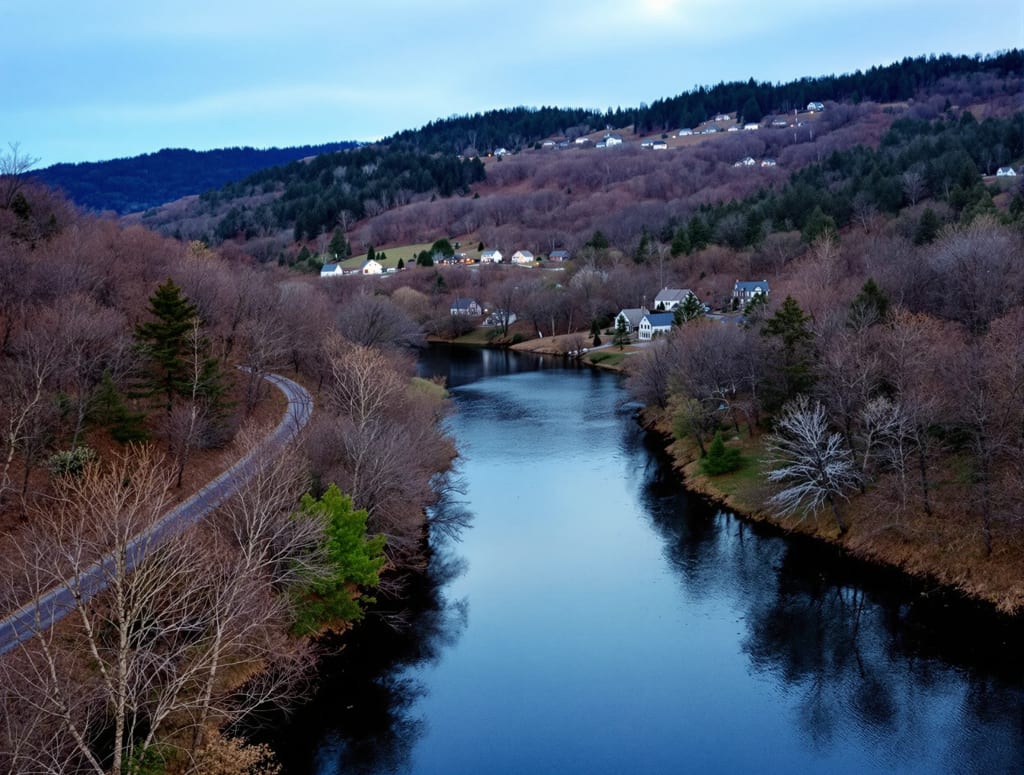
Set along a scenic stretch of the French Broad River just north of Asheville, Woodfin has long flown under the radar. That's changing fast. Once known mainly as a pass‑through town on the way to the mountains, this riverside community is drawing fresh attention from homebuyers, investors, and longtime locals who recognize how quickly the landscape is shifting. With a mix of small‑town roots, industrial heritage, and natural beauty, the area is experiencing a transformation that feels both organic and intentional—driven by real numbers, not just hype.

What makes this particularly compelling is how different Woodfin feels from busier corners of Asheville. There's more elbow room, a bit more grit, and a sense that the story is still being written. Housing options range from older mill houses and modest cottages to new townhomes and quietly upscale custom builds tucked into the hillsides. Commuters appreciate that downtown Asheville is only minutes away, yet the price tags and pace of life remain noticeably more relaxed.
For buyers and sellers working with ENRG Global Real Estate / Industry Property Group, the appeal lies in pairing this emerging character with data‑driven insight. Local specialist Patrick Brooks has watched buyer behavior, listing activity, and new development announcements stack up into a clear pattern: Woodfin is transitioning from "up‑and‑coming" to "arriving." Below are five data‑backed trends that are quietly but decisively shaping this riverside market.
Each trend tells a different part of the story—from the migration of Asheville buyers searching for better value, to the way riverside recreation is reshaping how people actually live here. Together, they help explain why offers are getting stronger, inventory feels tighter, and conversations at local gatherings sound increasingly optimistic about what's next for this once‑overlooked community.
Trend 1: Affordability Gap with Asheville Is Driving Spillover Demand
As Asheville home prices have climbed, house‑hunters are widening their search just enough to tap into better value without sacrificing lifestyle. This is where Woodfin's numbers become hard to ignore. Median price points have historically trailed Asheville's more established neighborhoods, yet commute times are measured in minutes, not hours. The result is a growing pool of buyers who start by looking in North Asheville or downtown and ultimately write offers just a few miles up the road.
Instead of compromising on outdoor access or amenities, many movers feel like they are trading up. Larger lots, extra bedrooms, workshops, and space for hobbies often become feasible in Woodfin once buyers recalibrate their search radius. Investors, too, are noticing that long‑term rental and small multifamily opportunities may pencil out more favorably here than in tighter in‑town submarkets, especially when they factor in projected appreciation as the area matures.
Data‑wise, this shift shows up in rising list‑to‑sale price ratios and a shorter average number of days on market for homes that are well‑priced and move‑in ready. While Woodfin still offers relative value, the window of "hidden bargain" territory is slowly narrowing. That's why guidance from a Western North Carolina–focused agent who tracks micro‑market shifts can be the difference between landing the right property at the right time—or watching it go to a better‑prepared buyer.
Trend 2: Riverside Recreation Is Redefining Everyday Lifestyle

What used to be viewed primarily as an industrial river corridor is increasingly being reclaimed as a front yard for everyday life. New and planned riverfront park spaces, enhanced access points, and trail connections are steadily turning the French Broad into a daily amenity instead of a backdrop. Paddleboarding before work, evening kayak sessions, riverside dog walks, and casual gatherings on grassy banks are becoming part of the cultural fabric.
This lifestyle shift is influencing housing choices. Buyers are asking more pointed questions about proximity to river access, walkability to greenways, and sightlines from decks and windows. Homes that blend indoor comfort with easy outdoor flow—covered porches, fire pits, and storage for gear—are commanding premium attention. Even older properties that need updating gain appeal when they sit within a short drive or bike ride of recreation amenities.
As these patterns take hold, you can see a feedback loop emerging: lifestyle draws new residents, which creates demand for more amenities, which in turn reinforces lifestyle value. For residents who have lived in Woodfin for years, it's a notable change to see the river transition from an overlooked resource into the centerpiece of a more active, outdoors‑oriented way of life. For new arrivals, it's a key reason they choose to settle here rather than in a more urban, concrete‑heavy setting.
Trend 3: Blending Blue‑Collar Roots with Modern Creative Energy
Unlike some master‑planned communities, Woodfin hasn't tried to erase its history. Mill buildings, older cottages, and small commercial sites still punctuate the landscape, reminding residents of the area's working‑class roots. At the same time, a steady trickle of modern businesses, artisans, and entrepreneurs are breathing new life into formerly underutilized structures. The resulting mix gives the town an authenticity that polished resort communities often lack.
This balance is especially attractive to buyers who want character and a sense of place without giving up on modern convenience. Renovated homes that preserve original hardwoods or brickwork sit next to fresh infill builds with open floor plans and high ceilings. Small‑scale residential developments often lean into a contemporary mountain aesthetic—clean lines, warm wood, and big windows to capture hillside and river views—creating visual interest rather than uniform sameness.
From a real estate perspective, this diversity broadens opportunity. Some clients are drawn to fixer‑uppers where they can add value through sweat equity and smart renovations. Others prefer turn‑key, low‑maintenance properties that allow them to simply move in and start exploring Western North Carolina. With experience in residential, land, luxury, and development properties, Patrick Brooks helps buyers evaluate which path aligns with their long‑term goals and budget reality, rather than chasing trends that don't fit their lifestyle.
Trend 4: Limited Land, Thoughtful Infill, and Smarter Density
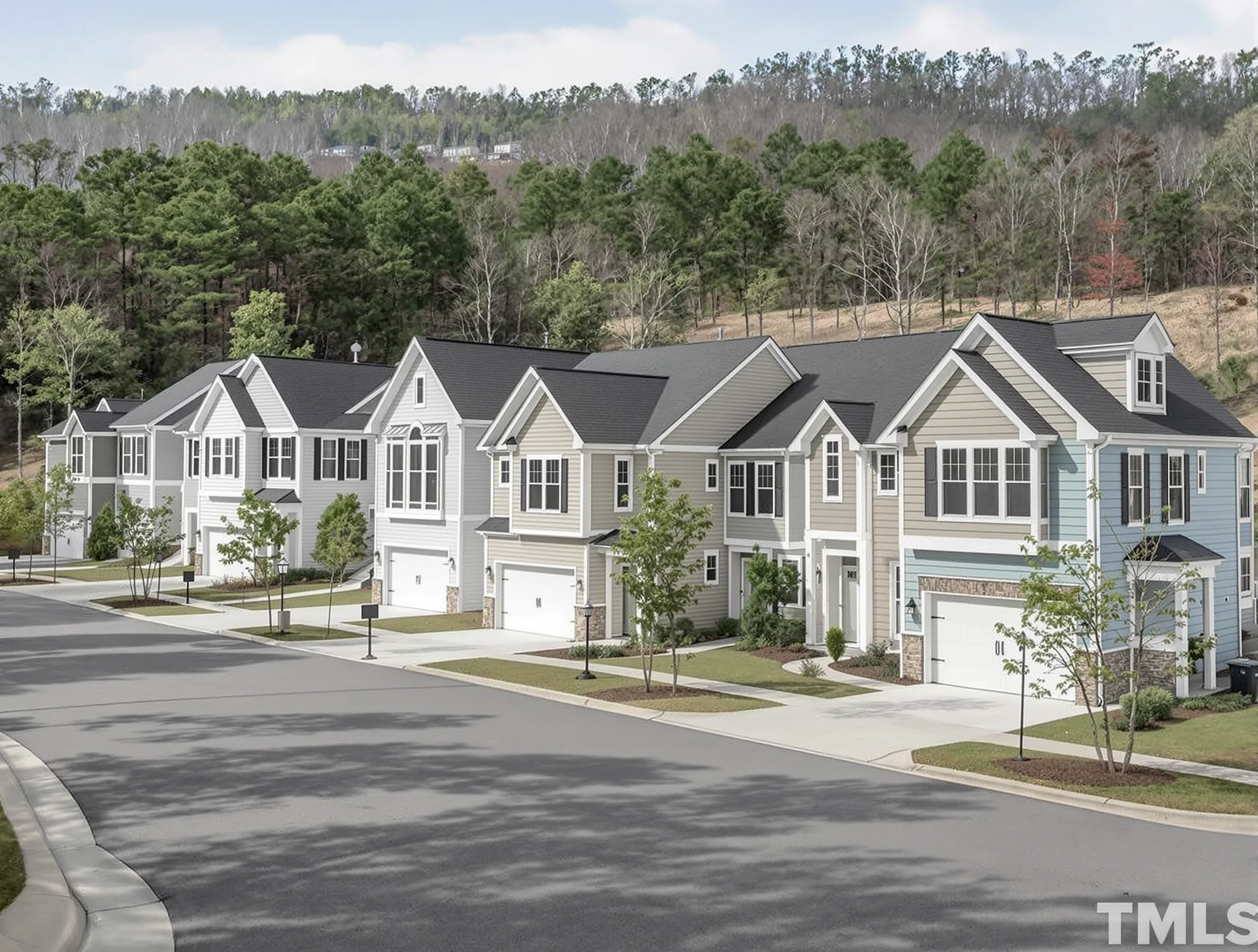
Geography and infrastructure naturally limit how sprawling Woodfin can become. Steep hillsides, the river corridor, and existing neighborhoods leave a finite amount of developable land, especially for projects that make both financial and environmental sense. In recent years, this has pushed more activity toward infill development, small clusters of townhomes, and carefully planned subdivisions instead of large‑scale, cookie‑cutter sprawl.
The pace of new construction is meaningful but not overwhelming, creating subtle yet steady inventory growth. For buyers priced out of brand‑new homes in core Asheville, recently built options in Woodfin often feel like an attainable compromise: quality construction, efficient floor plans, and modern systems, all within reach of the city's cultural amenities. Meanwhile, longtime homeowners are watching values rise as surrounding properties are upgraded and new neighbors arrive with fresh energy and expectations.
From a market‑analysis standpoint, the interplay between limited land and incremental density suggests ongoing upward pressure on prices, especially for well‑located parcels and finished homes with appealing layouts. Clients interested in land or small development projects benefit from working with an agent who understands local zoning nuances, infrastructure plans, and neighborhood sentiment—key ingredients in identifying opportunities that can move from idea to reality without unnecessary friction.
Trend 5: Diverse Buyer Profiles and a More Resilient Market
One of the most encouraging shifts is the growing diversity of people who now consider Woodfin home. You'll find first‑time buyers drawn by relative affordability, remote workers seeking a quieter base close to Asheville, downsizers trading large rural acreages for simpler living, and investors who see long‑term potential near a vibrant regional hub. This varied demand helps create a more resilient market than one dominated by just a single segment, such as second‑home buyers or vacation rentals.
Beyond demographics, motivations are diverse as well. Some value the ability to access hiking trails, rivers, and mountain views within minutes of their front door. Others prioritize school options, quick commuter routes, or space for home‑based businesses and creative pursuits. Because the town doesn't fit neatly into a single identity box, it can flex to match different visions of "home" while still feeling cohesive as a community.
For ENRG Global Real Estate / Industry Property Group, this variety underscores the importance of a client‑first, service‑oriented approach grounded in hard work and honesty. Rather than pushing a one‑size‑fits‑all narrative, Patrick Brooks uses detailed market data—comps, absorption rates, and neighborhood‑level trends—to frame realistic expectations and help clients parse which parts of the transformation are relevant to their situation. That grounded perspective is invaluable in a market where enthusiasm is rising but thoughtful strategy still determines long‑term satisfaction.
Looking Ahead: How to Navigate Woodfin's Next Chapter
Woodfin's future is unlikely to involve overnight transformation or flashy megaprojects. Instead, the trajectory points toward steady, layered evolution: more trail miles, better river access, continued infill, and a gradual polishing of existing neighborhoods. For buyers, that means acting with intention—getting in ahead of the next wave when the numbers make sense, rather than waiting for perfectly timed headlines. For sellers, it means understanding how to position homes to reflect not just where Woodfin has been, but where it's going.
Whether you are drawn by the water, the views, the value, or the proximity to Asheville's cultural and employment centers, this riverside town offers a compelling mix of opportunity and authenticity. If you're considering a move, contemplating a sale, or exploring a small development or investment in Western North Carolina, partnering with a professional who lives and breathes these micro‑markets can make all the difference. With specialized expertise in the Asheville area and surrounding communities like Woodfin, Patrick Brooks and ENRG Global Real Estate / Industry Property Group are well positioned to help you read the data, understand the trends, and move forward with confidence as this quietly transforming market writes its next chapter.