
7 Things Asheville Relocators Get Wrong About the Housing Market (and What Locals Actually Do)
Moving to Asheville, North Carolina, USA, is exciting—Blue Ridge views, vibrant arts, outdoor adventures, and a food scene that rivals much bigger cities. But when it comes to actually buying a home here, many relocators walk in with assumptions that just don't match reality. Those mismatched expectations can cost time, money, and serious peace of mind in a market that rewards preparation and local insight.
With its mix of historic neighborhoods, mountain cottages, new construction, and rural land, this region plays by its own rules. Locals who navigate the market successfully tend to lean on data, relationships, and realistic timelines rather than wishful thinking. Working with a client‑first team like ENRG Global Real Estate / Industry Property Group, led by Western North Carolina specialist Patrick Brooks, can help you avoid the common missteps and adopt the strategies that actually work here.
Myth #1: "I'll Just Wait for Prices to Crash"

Plenty of new arrivals assume that if they just sit on the sidelines for a year or two, prices will tumble and bargains will magically appear. In reality, mountain cities with strong lifestyle appeal and limited buildable land—like Asheville—rarely see dramatic "crashes." Instead, they experience short plateaus, modest corrections in specific price bands, or shifts in which neighborhoods are hottest.
Locals who buy successfully here watch trends in micro‑markets rather than trying to time the entire cycle. They look at inventory levels, days on market, and price reductions by neighborhood, and they act when a good home lines up with their needs and budget—rather than chasing a perfect bottom that may never come. With Patrick's deep knowledge of Western North Carolina data and on‑the‑ground experience, buyers can understand where there's value right now instead of waiting for a crash that's unlikely to materialize.
It's also important to factor in what "waiting" really costs. While you hold off, rents can rise, interest rates can fluctuate, and the specific style of home you want—walkable to a trailhead, close to a particular school, or within a certain neighborhood—may climb faster than the overall market. Locals who play the long game aim to buy a home that fits their life today and can adapt with them, rather than gambling on a dramatic reset that might never come.
Myth #2: "I Can Lowball Because It's a Small City"
Another common misconception is that a smaller mountain city equals a soft market where aggressive low offers will eventually stick. The reality is more nuanced: certain segments—like well‑updated homes in close‑in neighborhoods or properties with strong short‑term or mid‑term rental potential—can still move quickly and command strong offers, especially when they check the boxes that many relocators want.
Seasoned Asheville buyers understand that pricing strategy depends on context. They look at how a home is priced relative to recent sales, condition, and location. If a property is already listed at the low end of fair market value, a deep discount bid is likely to be ignored. When something is clearly overpriced or has been sitting on the market, a thoughtful, well‑supported offer with local comps and realistic terms can open a productive negotiation.
Patrick's negotiating approach is rooted in honesty, preparation, and relationships. Instead of "throwing numbers at the wall," he helps clients craft offers that sellers can actually work with—balancing price, contingencies, closing timeline, and repairs. Locals know that in Western North Carolina, a respectful and well‑presented offer often goes further than a rock‑bottom number that signals you aren't serious about the property.
Myth #3: "Every House Here Is a Fixer I Can DIY"
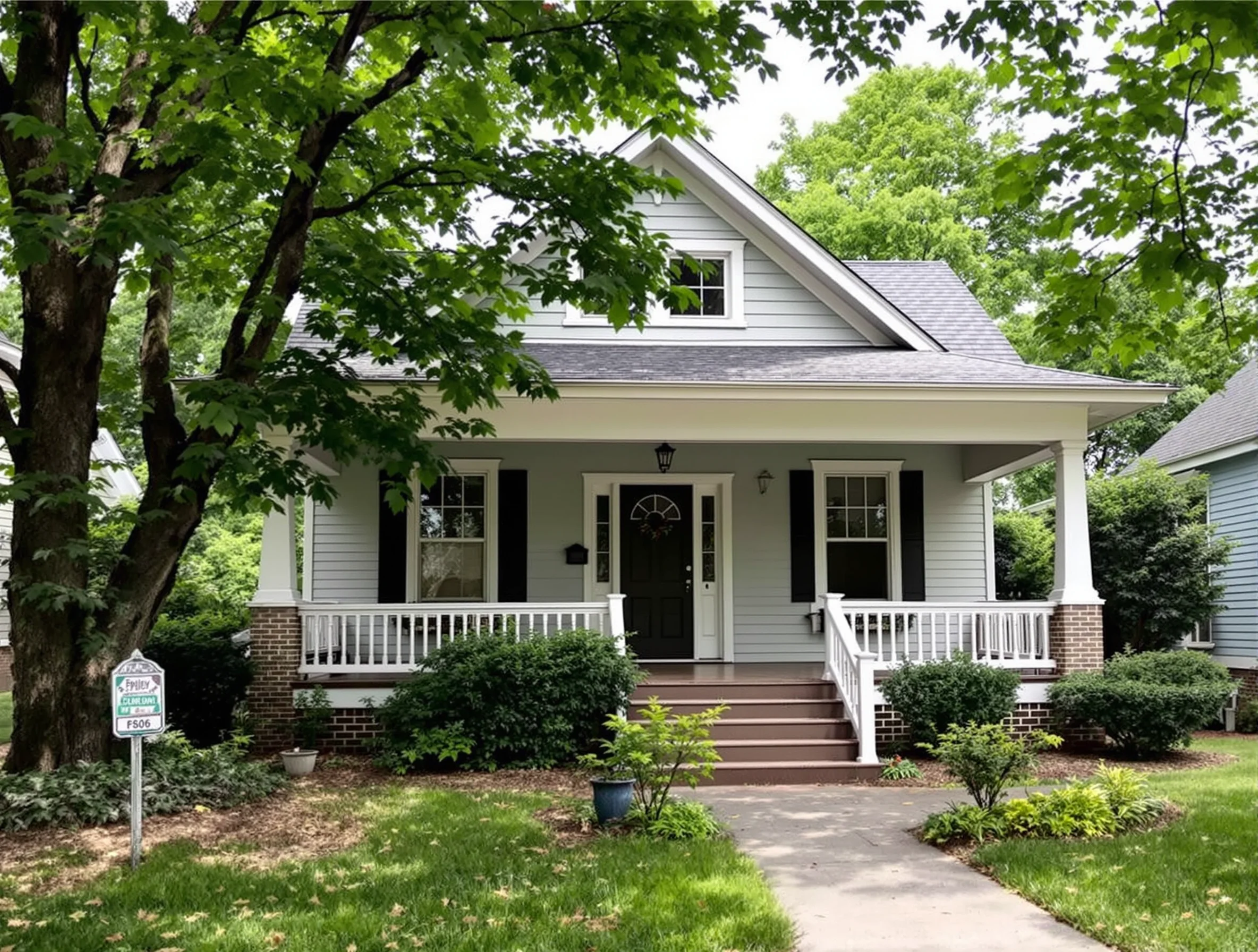
HGTV fantasies can collide hard with mountain‑town realities. Many relocators arrive dreaming of buying a discounted "diamond in the rough" and transforming it with weekend projects. But older homes in this region may come with unique challenges: steep driveways, aging septic systems, springtime drainage issues, or foundations that predate modern building standards.
Residents who've been here awhile know the difference between "cosmetic fixer" and "money pit." They prioritize professional inspections, ask detailed questions about water and drainage, and pay extra attention to roofs, retaining walls, and access in winter weather. A house that looks charming and quirky on a sunny September afternoon can reveal serious issues during a rainy week in March.
Working with a local, service‑oriented agent who has walked hundreds of properties can help you read between the lines. Patrick's experience across residential, land, and development properties means he can flag red‑flag issues early and connect you with inspectors and contractors who understand Western North Carolina terrain. Locals lean on that network to separate good opportunities from expensive surprises.
Myth #4: "I Don't Need to Worry About Commuting or Road Access"
On a map, everything around Asheville looks close. In the real world, winding mountain roads, winter weather, tourist traffic, and school or work schedules can turn a short distance into a surprisingly long daily grind. New arrivals sometimes fall in love with a remote ridge‑top view, only to discover that the drive to groceries, schools, or medical appointments doesn't match their lifestyle.
Locals think less in miles and more in minutes, seasons, and road types. They ask: Is this road maintained by the county or is it private? How steep is the driveway, and what does it look like in January? What's traffic like on Friday evenings when the weekend visitors roll in? These questions help them choose neighborhoods that balance beauty, convenience, and safety in all four seasons.
A client‑first advisor will encourage you to test drives at different times of day, explore alternative routes, and align your home search with your actual daily patterns. That might mean staying closer to Asheville's core if you commute frequently, or choosing a spot just outside town with easier access to a favorite trail system. With the right guidance, you can enjoy the mountain scenery without turning every errand into a full‑blown expedition.
Myth #5: "Short‑Term Rentals Will Automatically Pay My Mortgage"
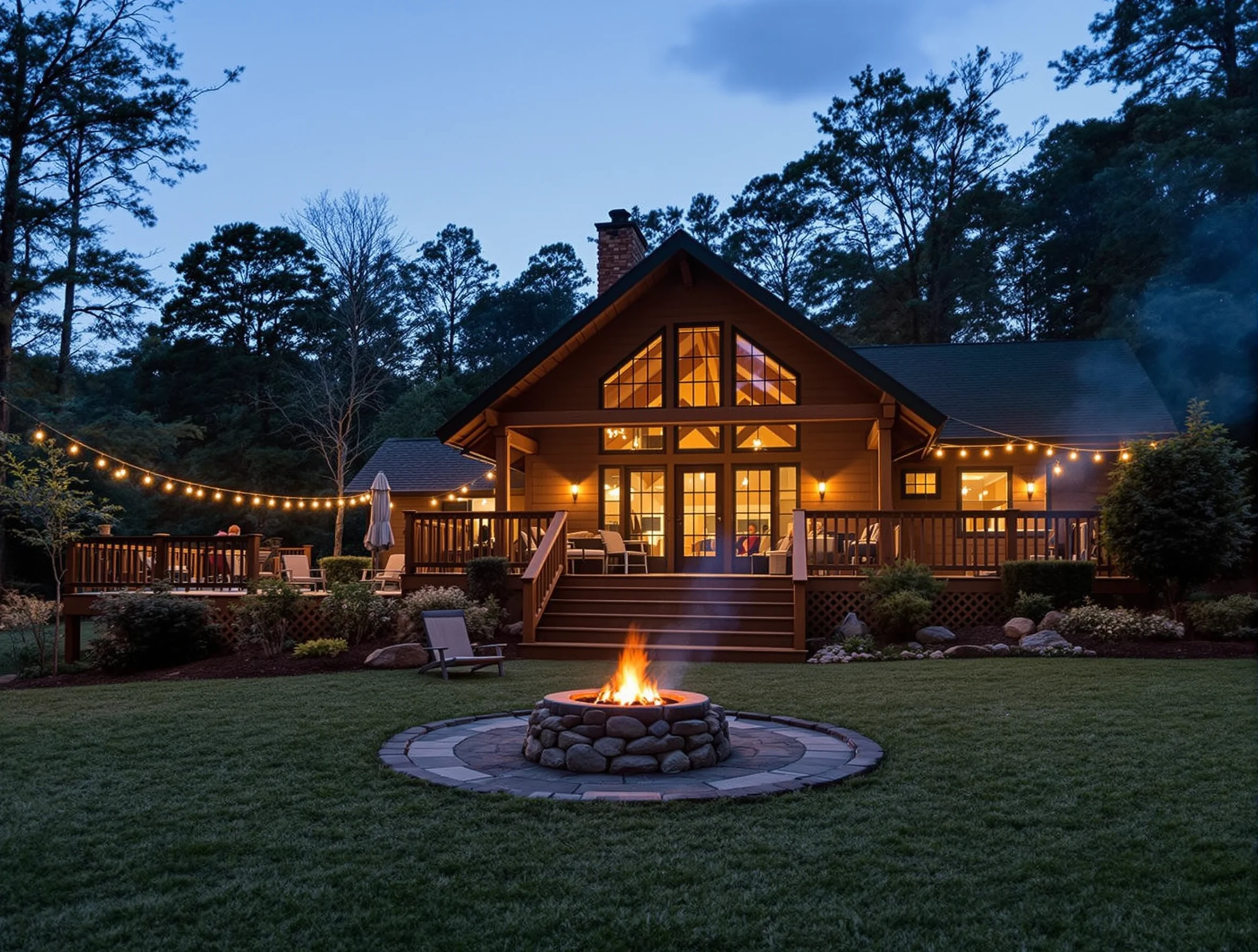
Because Asheville is such a sought‑after destination, many relocators assume they can buy any house, put it on a vacation‑rental platform, and let the income cover most of their costs. In practice, regulations, neighborhood rules, and changing traveler preferences make that plan much more complex than it sounds.
Residents who invest successfully in this space understand zoning, city and county rules, permitting, and the difference between short‑term, mid‑term, and long‑term rental strategies. They also run conservative numbers that factor in maintenance, management, seasonal swings, and occupancy patterns. Rather than banking on a best‑case scenario, they look for properties that work as a primary home or second home first, with potential rental income as a bonus—not a requirement for financial survival.
ENRG Global Real Estate / Industry Property Group brings a data‑driven lens to these conversations. Patrick helps buyers evaluate not just what's theoretically allowed, but what's actually sustainable given their risk tolerance and lifestyle goals. That grounded, honest approach keeps expectations realistic and prevents new residents from tying their entire housing plan to an income stream they don't fully control.
Myth #6: "Online Photos Tell Me Everything I Need to Know"
Glossy listing photos and virtual tours are great starting points, but in a region with such varied topography and micro‑neighborhoods, they rarely tell the full story. Angles can disguise how steep a yard is, how close a neighboring structure sits, or how much road noise drifts across the property at certain times of day.
Locals rely heavily on in‑person context—or, when that isn't possible, on a trusted agent who will walk the property for them and give an unvarnished report. They ask about smells, sounds, the feel of the street at night, and the way light comes into the home morning and evening. These details shape daily life in ways that no wide‑angle lens can fully capture.
A client‑first, service‑oriented professional will happily point out the pros and cons you can't see on a screen: the nearby trail you'll love, the hill that may challenge winter driving, or the quirky layout that looks charming in photos but feels awkward in person. That kind of honest feedback helps you avoid disappointment and focus on homes that truly fit how you want to live in Western North Carolina.
Myth #7: "Any Agent Can Guide Me—It's All the Same Process"
Buying in a mountain market like Asheville isn't identical to buying in a big flat metro area or a coastal city. Issues like well and septic systems, private road agreements, hillside construction, and land use restrictions show up more often here. A generic, one‑size‑fits‑all approach can miss crucial details that affect both your enjoyment of the property and its long‑term value.
Locals who consistently make smart moves tend to work with professionals deeply rooted in Western North Carolina real estate. They look for someone who not only opens doors but also understands land, luxury, development potential, and the subtle differences between neighborhoods and nearby communities.
Patrick Brooks and the team at ENRG Global Real Estate / Industry Property Group bring exactly that blend of expertise and ethics. Their client‑first mindset, modern marketing tools, and strong negotiation skills are all anchored by hard work and honesty. Instead of pushing you toward the quickest closing, they'll help you see your options clearly, avoid hidden pitfalls, and choose a path that supports your long‑term goals in the Asheville area.
What Locals Actually Do to Win in the Asheville Market
People who thrive in this housing market don't chase myths—they invest in preparation. They get pre‑approved early, clarify their must‑haves versus nice‑to‑haves, learn how different neighborhoods feel at ground level, and lean on trusted local guidance. They accept that perfection rarely exists, but that with the right strategy, they can find a home that fits their budget, lifestyle, and love for the mountains.
If you're planning a move to Asheville or a nearby Western North Carolina community, you don't have to navigate the learning curve alone. By combining your vision with local insight, data, and clear communication, you can sidestep the common mistakes relocators make and step into a home that feels right from the first sunrise over the ridgeline.
When you're ready to talk through your options, connect with ENRG Global Real Estate / Industry Property Group. With Patrick's specialized expertise and a service‑oriented, transparent approach, you'll have a knowledgeable advocate in your corner—so your move to the mountains feels less like a gamble and more like a confident, well‑planned next chapter.